Leveraging Colour Psychology for Engaging Web Design
Colour plays a crucial role in web design, influencing user perception, emotions, and overall engagement. By understanding the psychology of colour, designers can create visually captivating websites that align with brand identity and user preferences.
Effective colour palettes can enhance navigation, improve accessibility, and establish a memorable brand image. Designers should consider factors like colour blindness, cultural associations, and analytics data to select colours that resonate with the target audience and improve the user experience.
Optimizing Website Navigation for Enhanced Usability
Intuitive navigation is essential for user-friendly websites. Designers should focus on creating a seamless flow that allows visitors to easily find the information they need, ultimately improving engagement and reducing bounce rates.
Strategies such as clear labeling, logical information architecture, and utilization of visual cues can enhance the navigational experience. Additionally, regular usability testing and adjustments based on user feedback can further optimize the website's navigation and overall user experience.
Achieving Search Engine Visibility through Technical SEO
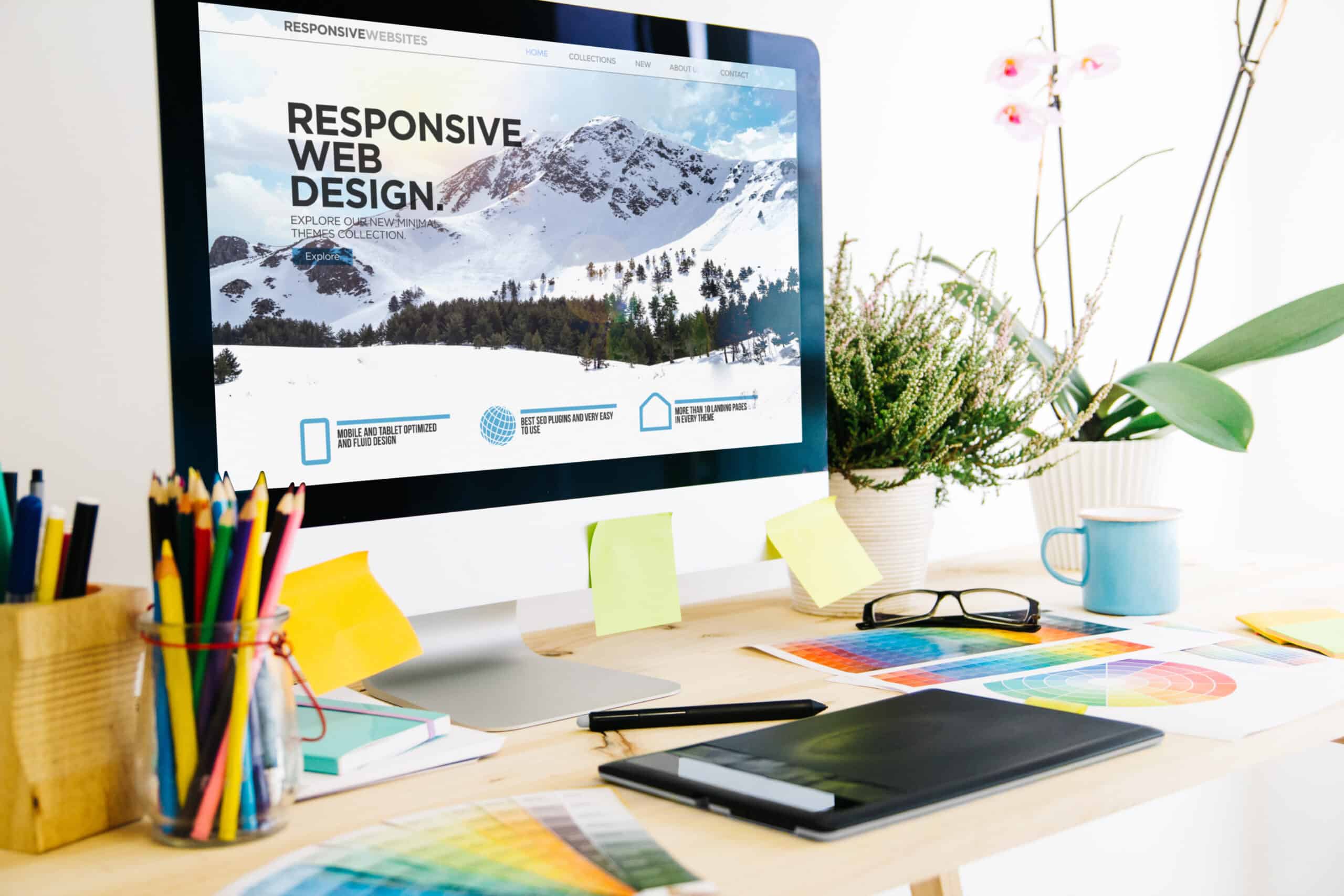
Ensuring a website is search engine-friendly is crucial for driving organic traffic and establishing online visibility. Technical SEO practices, such as optimizing page speed, implementing responsive design, and employing schema markup, can significantly improve a website's search engine rankings.
By addressing technical SEO elements, designers can create websites that not only look visually appealing but also perform well in search engine results. This combination of design and technical optimization can ultimately lead to increased brand awareness, lead generation, and conversions.
Comparing Website Design Packages: Selecting the Right Fit
When it comes to building a website, businesses have the option to choose between comprehensive design packages or a standalone website design. Each approach offers unique benefits, and the choice depends on the specific needs and budget of the organization.
Design packages often include additional services such as branding, content creation, and ongoing maintenance, providing a more holistic solution. In contrast, standalone website design may be more cost-effective for businesses with limited resources or specific design requirements. Evaluating the tradeoffs between these options can help businesses make an informed decision that aligns with their goals and constraints.