

Content distribution strategies: channels and audience engagement for small businesses
In today’s digital landscape, distribution matters as much as the content itself. This guide breaks down practical ways small businesses can get their content seen, build credibility, and grow awareness. You’ll find clear channel choices, targeted promotion tactics, and engagement techniques that help stretch limited resources and deliver better results.
Across industries, digital marketing remains a key driver of growth and customer connection for small brands.
Digital Marketing for Small Business Growth & Engagement
This study highlights how digital marketing accelerates small-business performance and digital transformation, improving economic outcomes and widening market reach. Using digital channels helps companies learn customer preferences, shape better experiences and adopt smarter sales approaches. Digital marketing is identified as a practical tool for acquiring, retaining and nurturing customers, with websites, niche outlets and forums proving especially useful for startups.
Digital Marketing Strategies for Small Businesses, 2025
Below we’ll cover the most effective distribution channels, practical promotion tactics, 2024 digital trends, ways to repurpose content, audience engagement techniques, and the performance metrics to track so you can optimise your approach.
What are the most effective content distribution channels for small businesses?
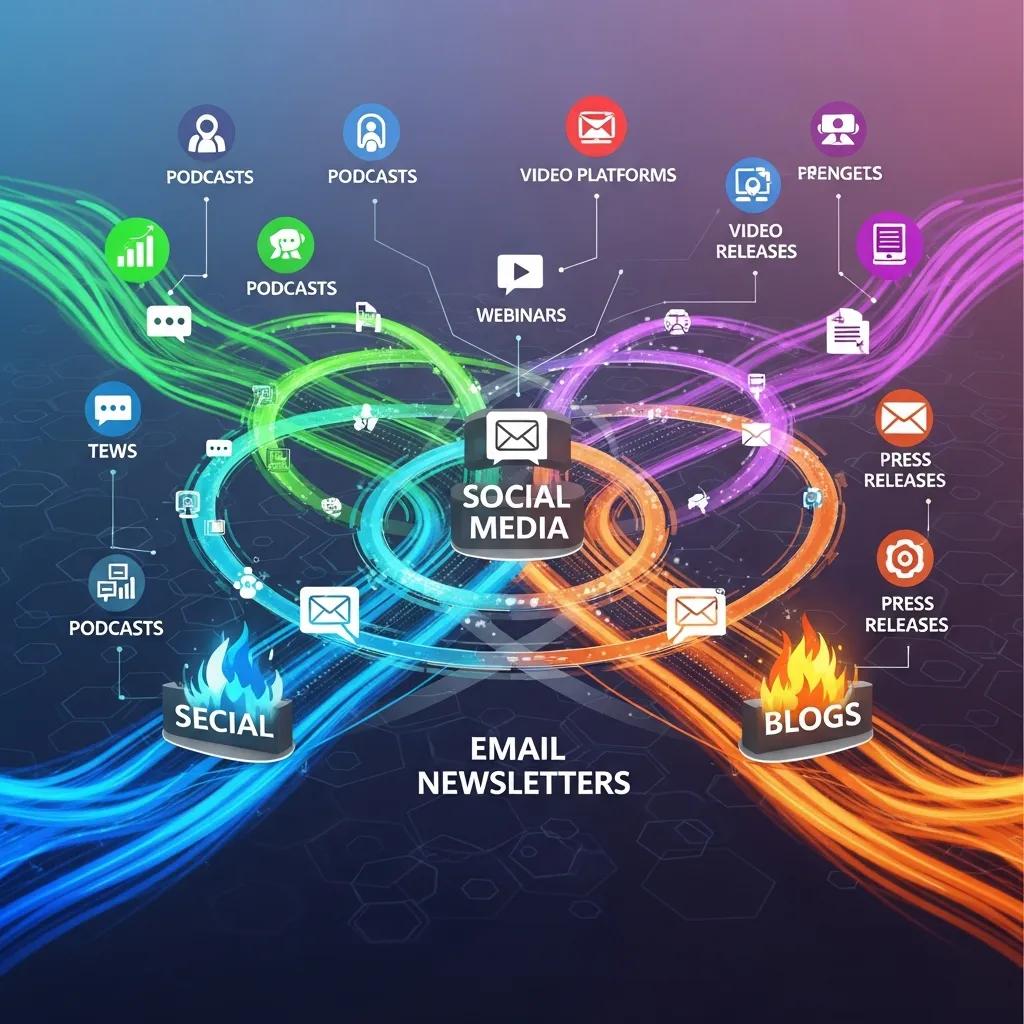
Content distribution channels are the places and methods you use to share content with your customers. For small businesses, choosing the right mix is vital to maximise reach and engagement. The core groups to focus on are owned, earned and paid media, each brings different benefits and plays a distinct role in your funnel.
How do owned media channels build a strong content foundation?
Owned media are the channels you control, such as your website, blog, and brand social profiles. They form the base of your content strategy, where you shape your voice, host long-form content, and start direct conversations with customers. Consistent, helpful content on these channels builds credibility and keeps people coming back.
Examples of owned media channels include:
- Company blogs: Fresh, useful posts drive organic traffic and show your expertise.
- Social media profiles: Platforms like Facebook, Instagram and LinkedIn let you interact directly with followers.
- Email newsletters: Regular emails keep customers engaged and help nurture leads.
What role do earned media channels play in amplifying content reach?
Earned media is exposure you get from others—press coverage, social shares or customer reviews. It amplifies reach and often carries more trust than self-published content. When third parties endorse your work, it boosts credibility and introduces you to new audiences.
Successful earned media strategies include:
- Public relations: Pitch relevant stories to journalists and niche blogs to win coverage.
- Influencer partnerships: Partner with creators whose audience matches your target to extend reach.
- User-generated content: Encourage customers to share their experiences to increase authenticity and visibility.
How can small businesses implement targeted content promotion tactics?
Targeted promotion makes sure the right people see your content. Segmenting audiences and tailoring messages improves engagement and conversion without blowing your budget.
Which social media strategies maximise content engagement?
Social platforms remain among the most accessible channels for promoting content. To boost engagement, focus on these tactics:
- Content scheduling: Post when your audience is active to increase visibility and reach.
- Engaging visuals: Strong images and short videos make posts more clickable and shareable.
- Interactive content: Polls, quizzes and live sessions invite participation and build a sense of community.
Used smartly, social media helps small businesses overcome budget limits and build a consistent brand presence.
Digital Marketing & Social Media for Small Business Engagement
Digital marketing offers practical alternatives for businesses with limited budgets, enabling brand awareness, loyalty and sales through platforms like Twitter, Instagram, websites and Facebook. These channels help small and medium‑income businesses reach customers and grow engagement without large advertising spends.
Implications of digital marketing strategy: the competitive advantages of small businesses in Indonesia, 2022
How does email marketing enhance personalised content delivery?
Email remains one of the most reliable channels for personalised outreach. By segmenting lists and tailoring messages to behaviour and preferences, you can deliver content that feels relevant and prompts action.
Effective email marketing strategies include:
- Personalised subject lines: Customised subject lines increase open rates and feel more relevant.
- Dynamic content: Swap sections based on user data so emails match each recipient.
- Clear calls to action: Tell readers exactly what you want them to do next.
What are the best digital content distribution strategies for UK small businesses in 2026?
As the landscape shifts, small businesses should adapt distribution strategies to stay visible and useful. In 2026, certain trends and tactics are especially useful for UK businesses trying to compete efficiently.
How does AI influence content discoverability and distribution?
AI is helping content find the right people faster. Tools that analyse behaviour and preferences enable smarter personalisation and better recommendations. AI can also optimise titles, meta descriptions and structure to improve search visibility and audience fit.
Why is semantic SEO crucial for modern content promotion?
Semantic SEO is about matching content to user intent, not just keywords. Focus on clear answers, related topics and structured data so search engines understand your content context. That improves rankings and helps the right users discover your content.
How can content repurposing maximise marketing impact?
Repurposing lets you squeeze more value from every piece of content. Adapting one asset into several formats reaches different audiences and lengthens its shelf life.
What are effective methods to transform content formats?
Try these repurposing ideas:
- Infographics: Turn long posts into visual summaries for social and outreach.
- Podcasts: Convert written content into short audio episodes for listeners on the go.
- Videos: Create short clips or summaries to boost engagement on YouTube and social platforms.
How does repurposing extend content lifecycle and reach?
Repurposing stretches a single idea across channels and audience types. One blog post can become a social series, an infographic and a short video—each format attracting different attention and reinforcing the message.
How do audience engagement strategies improve content distribution success?

Engagement turns passive viewers into repeat visitors and advocates. Building genuine connections makes your distribution more effective because people who trust you are more likely to share and act on your content.
What techniques foster genuine connections with small business audiences?
Use these approaches to build authentic relationships:
- Personalised interactions: Reply to comments and messages with thoughtful, human responses.
- Community building: Host groups or forums where customers can connect and share ideas.
- Feedback solicitation: Ask for input and show you act on it, customers notice when their opinions matter.
How can CRM software support targeted content delivery and lead nurturing?
A CRM helps you map customer journeys and deliver the right content at the right time. Track interactions, record preferences and automate follow-ups so leads get nurtured without manual overhead, resulting in stronger conversions and clearer insights.
How should small businesses measure and optimise their content distribution efforts?
Measurement is the only way to improve. Focus on a few meaningful KPIs, run simple tests, and refine what works.
Which key performance indicators track content reach and engagement?
Useful KPIs include:
- Website traffic: Visitor numbers and behaviour reveal what content attracts attention.
- Social media engagement: Likes, shares and comments show how your audience responds.
- Email open rates: Open and click rates indicate how well your messaging resonates.
What tools help analyse and refine content distribution strategies?
These tools give practical insights without complexity:
| Tool | Feature | Application |
|---|---|---|
| Google Analytics | Traffic analysis | Track website performance and user behaviour to spot what content works |
| Hootsuite | Social media management | Schedule posts, monitor conversations and measure engagement across channels |
| Mailchimp | Email marketing | Send segmented campaigns and track opens, clicks and subscriber trends |
Use these insights to prioritise channels, refine messaging and iterate on the content formats that deliver the best returns.
Conclusion
Implementing effective content distribution strategies is essential for small businesses to enhance visibility and engagement. By leveraging owned, earned, and paid media, brands can build credibility and connect more effectively with their target audience. Embrace these tactics to maximise your content’s reach and impact, and consider exploring additional resources to refine your approach. Start optimising your content distribution today to unlock your business’s full potential.